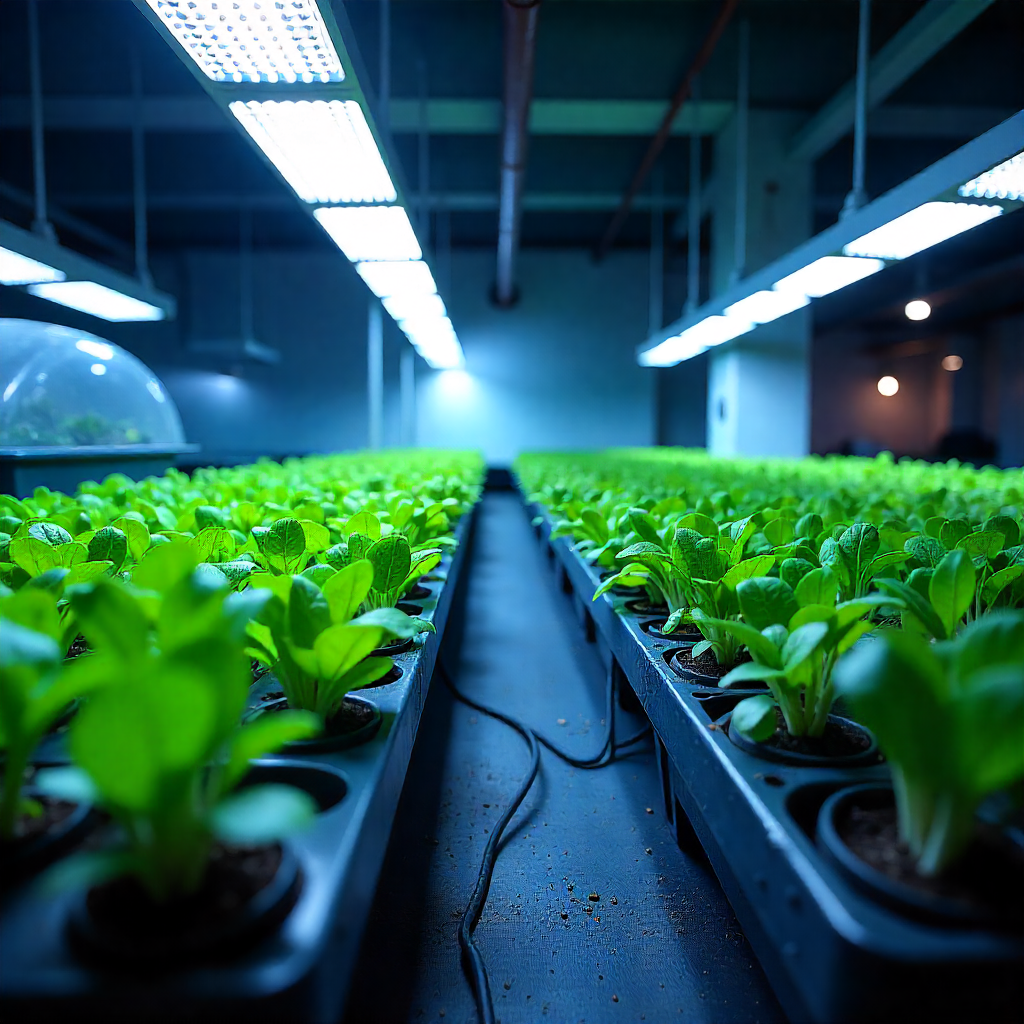
Microgreen Farms have emerged as a revolutionary approach to urban agriculture, blending sustainability, nutrition, and entrepreneurial opportunity into a compact package. Whether you’re a health enthusiast, a budding entrepreneur, or someone curious about the future of farming, microgreen farms represent an exciting frontier that is transforming how we grow and consume food—especially in urban centers like Bengaluru, Mumbai, and Delhi.
Microgreens are young vegetable greens harvested just after their first true leaves appear, usually about 7 to 21 days after germination. Unlike sprouts, which are germinated seeds consumed whole, microgreens are grown in soil or growing mediums and harvested by cutting the stem, offering more flavor, texture, and nutrient density.
Common microgreen varieties include sunflower, pea shoots, radish, mustard, basil, cilantro, and arugula. Their small size belies their powerful punch: microgreens contain concentrated vitamins, minerals, and antioxidants that often surpass mature vegetables, making them a nutritional superstar.
Why Microgreen Farms?
- Efficient Use of Space and Resources
One of the biggest challenges in urban India is the scarcity of arable land and water. Microgreen farming addresses this by:
Using vertical farming techniques and stacked trays to maximize production on small balconies, terraces, rooftops, or indoor spaces.
Requiring minimal water and no heavy chemical inputs, microgreen farms are far more sustainable than traditional agriculture.
This means anyone—from apartment dwellers to commercial farmers—can set up productive farms regardless of space constraints.
- Quick Growth Cycles and Higher Returns
Microgreens typically mature within one to three weeks. This rapid turnaround enables farmers to harvest and sell crops multiple times per month, leading to faster returns on investment and steady cash flow. This is especially attractive to startups and small-scale entrepreneurs experimenting with urban agriculture.
- Increasing Demand for Healthy, Fresh Produce
With rising awareness about health, immunity, and organic lifestyles, microgreens have surged in popularity across India’s metros. They are sought after by:
Restaurants and cafes looking to add vibrant colors and flavors to gourmet dishes.
Health-conscious consumers seeking nutrient-packed foods.
Organic stores and farmers’ markets that demand locally-grown, chemical-free produce.
Starting a Microgreen Farm: What You Need to Know
Setting up a microgreen farm may seem complex, but it’s highly doable with some guidance. Here’s a basic checklist:
Space: Identify a well-ventilated and clean area receiving adequate natural light, or prepare indoor lighting with LED grow lights.
Trays and Growing Medium: Choose shallow trays and organic soil, cocopeat, or hemp mats as a medium.
Seeds: Procure non-GMO, preferably organic seeds suited to microgreen cultivation. Seed quality greatly influences yield and taste.
Watering Equipment: Use gentle mist sprays or fine watering cans to keep seedlings moist without damaging them.
Hygiene and Maintenance: Sterilize trays and tools regularly and monitor for pests or mold.
Microgreen Cultivation Process
Seed Preparation: Some seeds require soaking (6-12 hours) for faster germination.
Sowing: Spread seeds densely and evenly on the growing medium in trays. Cover lightly or leave uncovered based on seed type.
Watering & Germination: Mist immediately after sowing. Keep trays covered to retain humidity for 3-5 days until sprouts emerge.
Lighting: Remove covers and expose seedlings to at least 4-6 hours of light daily—natural or supplemental grow lights.
Harvest: Cut microgreens just above the soil line when the first true leaves appear, usually between 7 and 21 days depending on variety.
From Farm to Table: Marketing Your Microgreens
Successful microgreen farms integrate quality cultivation with smart marketing:
Branding and Packaging: Attractive, biodegradable or reusable packaging with labels that highlight freshness and health benefits attract premium buyers.
Target Customers: Build relationships with gourmet restaurants, cafes, organic stores, and health-conscious consumers through farmers’ markets and online platforms.
Digital Presence: Use social media channels to showcase your product, share recipes, demonstrate health benefits, and tell your farm’s story.
Direct Sales: Subscription models and home delivery can create loyal customer bases and predictable revenue.
Challenges and Solutions
While microgreen farming is rewarding, some challenges include:
Maintaining Consistent Quality: Controlled environment farming and good hygiene help prevent spoilage and contamination.
Climate Variability: Bengaluru’s temperate climate suits microgreens well, but controlling temperature and humidity indoors can improve yields year-round.
Shelf Life: Microgreens are perishable; quick harvesting, proper packaging, and cold storage extend freshness.
The Bigger Picture: Why Microgreen Farms Matter
Microgreen farms contribute to a more sustainable food system by:
Reducing food miles and waste through local production.
Encouraging urban self-sufficiency and reducing dependence on large-scale industrial agriculture.
Offering opportunities for rural-urban migrants, women entrepreneurs, and youth to engage in profitable, low-barrier farming enterprises.
Conclusion
Microgreen farms are more than just a trend; they’re an innovative solution aligning health, technology, and sustainability for future food needs. Whether you want to start a small setup at home or build a commercial urban farm, microgreens offer a powerful way to cultivate nutrition and generate income, one tiny leaf at a time.
Explore microgreen farming today and join the movement towards fresher, healthier, and more sustainable food right at your doorstep!
Leave a Reply