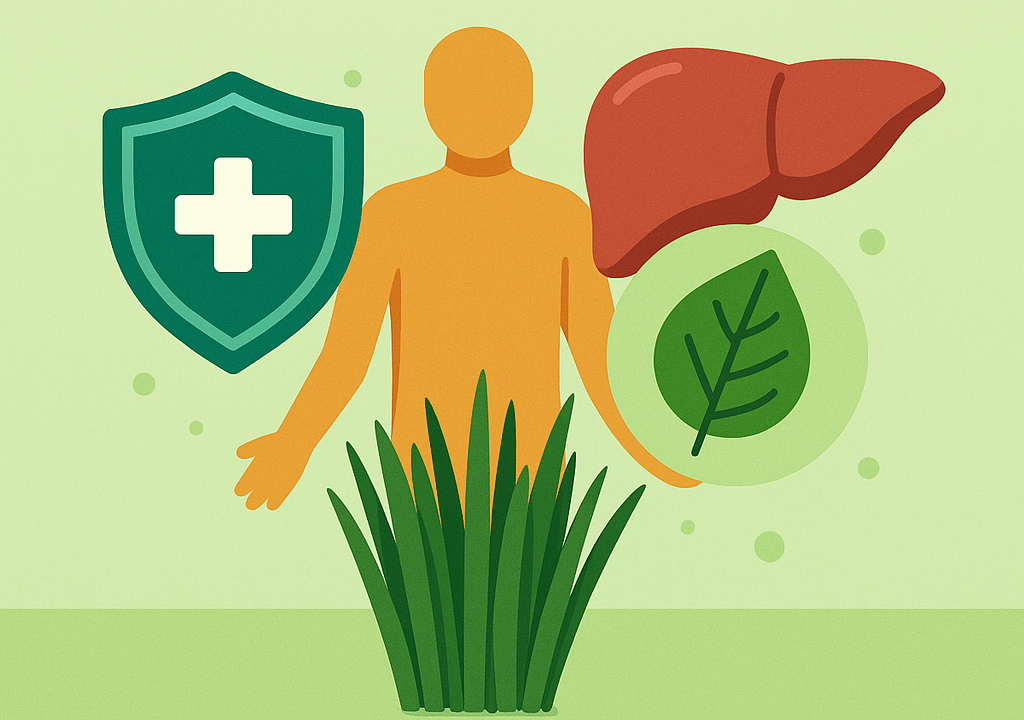
One of the key reasons microgreens have become a sensation is their exceptional nutrient density. Research shows that microgreens often contain higher concentrations of vitamins, minerals, and antioxidants than their fully grown counterparts.
Nutritional Benefits:
- Vitamins: Many microgreens are rich in vitamins C, E, K, and beta-carotene.
- Minerals: They contain important minerals like potassium, iron, zinc, magnesium, and calcium.
- Antioxidants: They offer polyphenols and other antioxidants which help combat oxidative stress.
- Phytonutrients: These contribute to improved immunity and reduced chronic disease risks.
For instance, red cabbage microgreens may have up to 40 times more vitamin E and 6 times more vitamin C than mature cabbage. Kale microgreens contain 4 times more lutein and beta-carotene than mature kale leaves.
Microgreens vs. Mature Greens and Sprouts
It’s important to distinguish microgreens from their cousins:
Mature Greens: Fully grown leaves like spinach, kale, or lettuce, usually harvested weeks or months after planting.
Sprouts: Germinated seeds that are eaten whole, including roots, grown in water, harvested within 2-7 days.
While both sprouts and microgreens are nutrient-dense, microgreens have more developed photosynthetic tissue and tend to develop deeper flavors and texture.
Why Microgreens Matter: Environmental and Health Perspectives
Space Efficiency: Because they require so little space and time to grow, microgreens fit perfectly in urban settings or areas with limited agricultural land.
Water Efficiency: They use less water than traditional crops, aligning with sustainable agriculture goals.
Year-Round Growth: Can be grown indoors with artificial light regardless of climate.
Reduced Food Miles: Growing microgreens locally means fresher produce with lower carbon footprint.
Health Benefits: Due to their high nutrient concentration, they support better health, immunity, and disease prevention.
Microgreens have become increasingly popular in the past handful of years, and a great deal of ongoing research seeks to understand all the health benefits these tiny plants offer.
Early research has indicated that microgreens contain up to 40% more phytochemicals (beneficial nutrients and components) than their full-grown counterparts.
Though these little greens are small in stature, they contain extremely high levels of powerful vitamins, minerals, and health-supporting components.
Can lower blood pressure. Foods that are high in fiber and vitamin K can be helpful in maintaining a healthy blood pressure, and microgreens are high in both of these important elements as well as other vitamins and minerals.
Might help fight cancer. Research is ongoing into this subject, but some early evidence suggests that sulforaphane — a compound found at especially high levels in broccoli sprouts — may help fight cancer.
Some microgreens can help lower cholesterol. A study found that red cabbage microgreens lower levels of LDL cholesterol, liver cholesterol, and inflammatory cytokines — all factors that can increase your risk for heart disease.
Can support gut health. Foods that are high in dietary fiber, like microgreens, can ease constipation or other gastro-intestinal distress when eaten as part of a healthy, balanced diet. Research also indicates that dietary fiber serves as a ” prebiotic,” or material that provides an ideal environment for the “good” bacteria in the human microbiome to flourish.
Other Benefits
From a culinary perspective, microgreens add flavor, texture, and color to a variety of dishes. Chefs and home cooks enjoy using microgreens as garnish for salads, sandwiches, soups, and Indian dishes like dosas and curries. Their peppery, tangy, or herbal notes can transform ordinary meals, making them more appealing and nutritious for families and food enthusiasts alike.
Lastly, growing and consuming microgreens fosters a sense of well-being. The act of nurturing plants—no matter how small—can relieve stress and promote mindfulness. Witnessing rapid growth and harvesting fresh greens instills a sense of achievement, especially for children learning about food and gardening. With their health benefits, sustainability, and ease of cultivation, microgreens are truly a smart choice for better living in today’s fast-paced urban environments. To get more information let us know
Leave a Reply