Month: August 2025

  • Microgreen Farms: Opportunity in Every Small Leaf

    Microgreen Farms: Opportunity in Every Small Leaf


    Microgreen Farms have emerged as a revolutionary approach to urban agriculture, blending sustainability, nutrition, and entrepreneurial opportunity into a compact package. Whether you’re a health enthusiast, a budding entrepreneur, or someone curious about the future of farming, microgreen farms represent an exciting frontier that is transforming how we grow and consume food—especially in urban centers like Bengaluru, Mumbai, and Delhi.

    What Are Microgreens?

    Microgreens are young vegetable greens harvested just after their first true leaves appear, usually about 7 to 21 days after germination. Unlike sprouts, which are germinated seeds consumed whole, microgreens are grown in soil or growing mediums and harvested by cutting the stem, offering more flavor, texture, and nutrient density.

    Common microgreen varieties include sunflower, pea shoots, radish, mustard, basil, cilantro, and arugula. Their small size belies their powerful punch: microgreens contain concentrated vitamins, minerals, and antioxidants that often surpass mature vegetables, making them a nutritional superstar.

    Why Microgreen Farms?

    1. Efficient Use of Space and Resources

    One of the biggest challenges in urban India is the scarcity of arable land and water. Microgreen farming addresses this by:

    Using vertical farming techniques and stacked trays to maximize production on small balconies, terraces, rooftops, or indoor spaces.

    Requiring minimal water and no heavy chemical inputs, microgreen farms are far more sustainable than traditional agriculture.

    This means anyone—from apartment dwellers to commercial farmers—can set up productive farms regardless of space constraints.

    1. Quick Growth Cycles and Higher Returns

    Microgreens typically mature within one to three weeks. This rapid turnaround enables farmers to harvest and sell crops multiple times per month, leading to faster returns on investment and steady cash flow. This is especially attractive to startups and small-scale entrepreneurs experimenting with urban agriculture.

    1. Increasing Demand for Healthy, Fresh Produce

    With rising awareness about health, immunity, and organic lifestyles, microgreens have surged in popularity across India’s metros. They are sought after by:

    Restaurants and cafes looking to add vibrant colors and flavors to gourmet dishes.

    Health-conscious consumers seeking nutrient-packed foods.

    Organic stores and farmers’ markets that demand locally-grown, chemical-free produce.

    Starting a Microgreen Farm: What You Need to Know

    Setting up a microgreen farm may seem complex, but it’s highly doable with some guidance. Here’s a basic checklist:

    Space: Identify a well-ventilated and clean area receiving adequate natural light, or prepare indoor lighting with LED grow lights.

    Trays and Growing Medium: Choose shallow trays and organic soil, cocopeat, or hemp mats as a medium.

    Seeds: Procure non-GMO, preferably organic seeds suited to microgreen cultivation. Seed quality greatly influences yield and taste.

    Watering Equipment: Use gentle mist sprays or fine watering cans to keep seedlings moist without damaging them.

    Hygiene and Maintenance: Sterilize trays and tools regularly and monitor for pests or mold.

    Microgreen Cultivation Process

    Seed Preparation: Some seeds require soaking (6-12 hours) for faster germination.

    Sowing: Spread seeds densely and evenly on the growing medium in trays. Cover lightly or leave uncovered based on seed type.

    Watering & Germination: Mist immediately after sowing. Keep trays covered to retain humidity for 3-5 days until sprouts emerge.

    Lighting: Remove covers and expose seedlings to at least 4-6 hours of light daily—natural or supplemental grow lights.

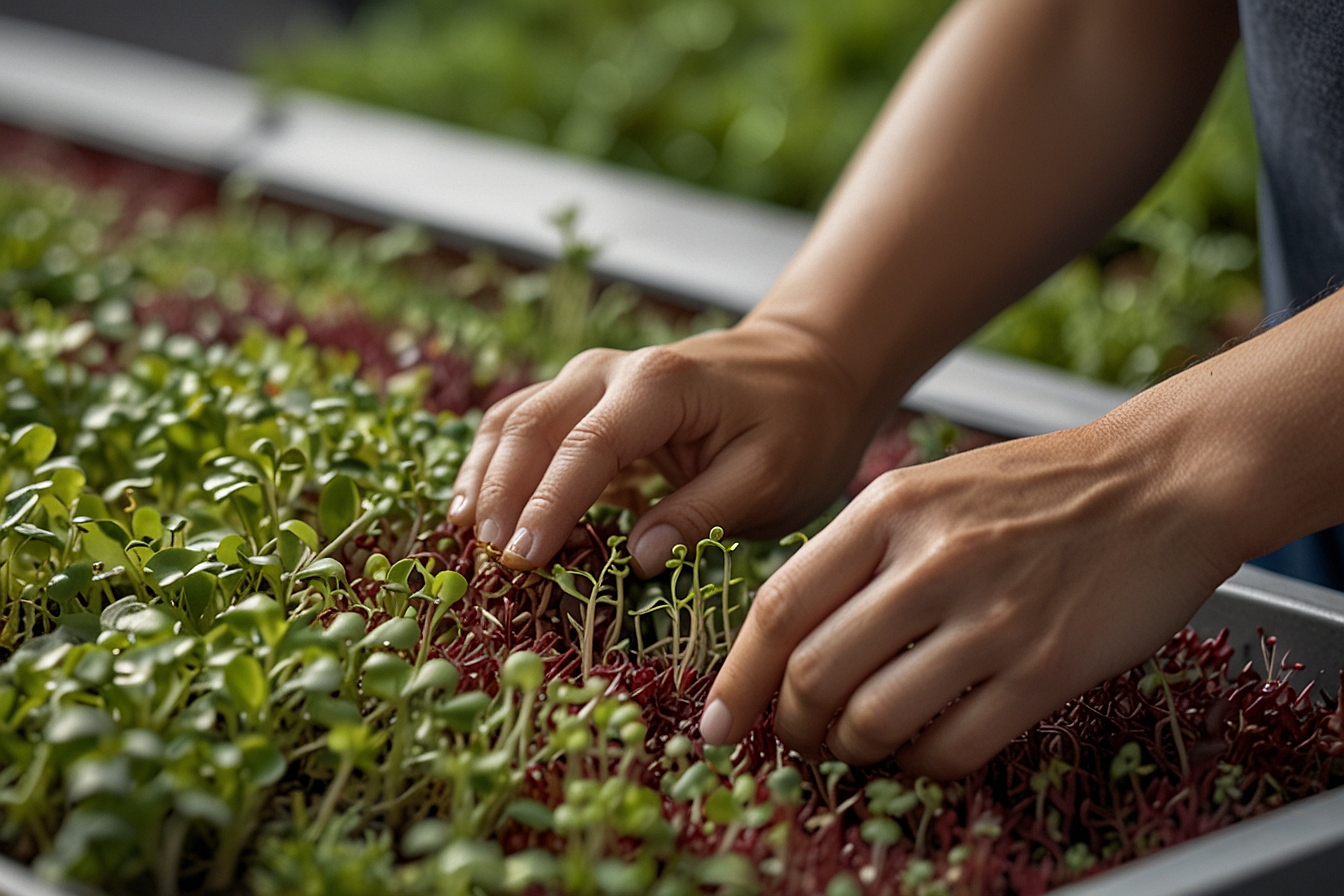
    Harvest: Cut microgreens just above the soil line when the first true leaves appear, usually between 7 and 21 days depending on variety.

    From Farm to Table: Marketing Your Microgreens

    Successful microgreen farms integrate quality cultivation with smart marketing:

    Branding and Packaging: Attractive, biodegradable or reusable packaging with labels that highlight freshness and health benefits attract premium buyers.

    Target Customers: Build relationships with gourmet restaurants, cafes, organic stores, and health-conscious consumers through farmers’ markets and online platforms.

    Digital Presence: Use social media channels to showcase your product, share recipes, demonstrate health benefits, and tell your farm’s story.

    Direct Sales: Subscription models and home delivery can create loyal customer bases and predictable revenue.

    Challenges and Solutions

    While microgreen farming is rewarding, some challenges include:

    Maintaining Consistent Quality: Controlled environment farming and good hygiene help prevent spoilage and contamination.


    Climate Variability: Bengaluru’s temperate climate suits microgreens well, but controlling temperature and humidity indoors can improve yields year-round.

    Shelf Life: Microgreens are perishable; quick harvesting, proper packaging, and cold storage extend freshness.

    The Bigger Picture: Why Microgreen Farms Matter

    Microgreen farms contribute to a more sustainable food system by:

    Reducing food miles and waste through local production.

    Encouraging urban self-sufficiency and reducing dependence on large-scale industrial agriculture.

    Offering opportunities for rural-urban migrants, women entrepreneurs, and youth to engage in profitable, low-barrier farming enterprises.

    Conclusion

    Microgreen farms are more than just a trend; they’re an innovative solution aligning health, technology, and sustainability for future food needs. Whether you want to start a small setup at home or build a commercial urban farm, microgreens offer a powerful way to cultivate nutrition and generate income, one tiny leaf at a time.

    Explore microgreen farming today and join the movement towards fresher, healthier, and more sustainable food right at your doorstep!

  • Why Starting a Microgreen Business Makes Sense?

    Why Starting a Microgreen Business Makes Sense?

    Microgreen Business is a smart move. Microgreens may be tiny plants, but they pack a huge punch—both nutritionally and economically. As more Indians embrace healthier lifestyles and seek locally-grown organic foods, microgreens present an opportunity to impact public health while building a rewarding business.

    Nutritional Powerhouses

    Studies show microgreens contain significantly higher concentrations of vitamins, minerals, and antioxidants than mature vegetables. For example:

    Vitamins A, C, E, and K help boost immunity and skin health.

    High levels of polyphenols combat oxidative stress.

    Essential minerals like potassium, iron, and zinc contribute to well-being.

    They are also great sources of dietary fiber, supporting digestion.

    Economic Advantages for Growers

    Short Production Cycles: Harvest in as little as one week enables multiple crop rotations monthly, generating quick cash flow.

    Lower Input Costs: Microgreen farming requires less land, water, and fertilizer compared to traditional farming. Urban dwellers can leverage rooftops or balconies.

    High Market Value: Premium pricing is common due to intensive labor, freshness, and nutritional advantage attributed to these greens.

    Low Barrier to Entry

    You don’t need expensive machinery or large farmland. With minimal capital, anyone, including women entrepreneurs and youth, can start a microgreen farm at home. This is especially relevant in Bengaluru’s urban landscape where space is at a premium.

    Creating Local Employment and Community Impact

    Small microgreen farms offer jobs in growing, harvesting, packaging, and delivery. By connecting with local chefs, health stores, and consumers, microgreen businesses boost local economies and contribute to food security.

    Growing Consumer Demand in India

    The demand for organic, clean, and nutritious food is rising, driven by increased awareness of lifestyle diseases such as diabetes and heart conditions. Bengaluru’s vibrant café culture and growing wellness industry further fuel microgreen popularity.

    Conclusion

    Microgreens embody the convergence of health, sustainability, and entrepreneurship. For forward-thinking individuals in India, starting a microgreen business means tapping into a lucrative market while contributing to societal well-being. With relatively low startup costs and high rewards, microgreen farming is a venture worth considering for anyone passionate about nutrition and business.

    If you want me to personalize or focus on any particular more deeply, or need assistance with marketing materials, financial models, or step-by-step farming guides, just let me know!

  • How Technology is Revolutionizing Microgreen Farming in India

    How Technology is Revolutionizing Microgreen Farming in India

    Agriculture in India is rapidly transforming with technological advancements, and the microgreen business is no exception. Traditionally perceived as labor-intensive and knowledge-heavy, microgreen cultivation has become more efficient, scalable, and user-friendly thanks to cutting-edge technologies. Here is how technology is revolutionizing microgreen farming, especially in urban Indian settings like Bengaluru.

    Smart Growing Systems

    Automated Watering: Advanced misting systems and timers ensure plants receive uniform moisture without human intervention, reducing labor and minimizing fungi risks caused by over-watering.

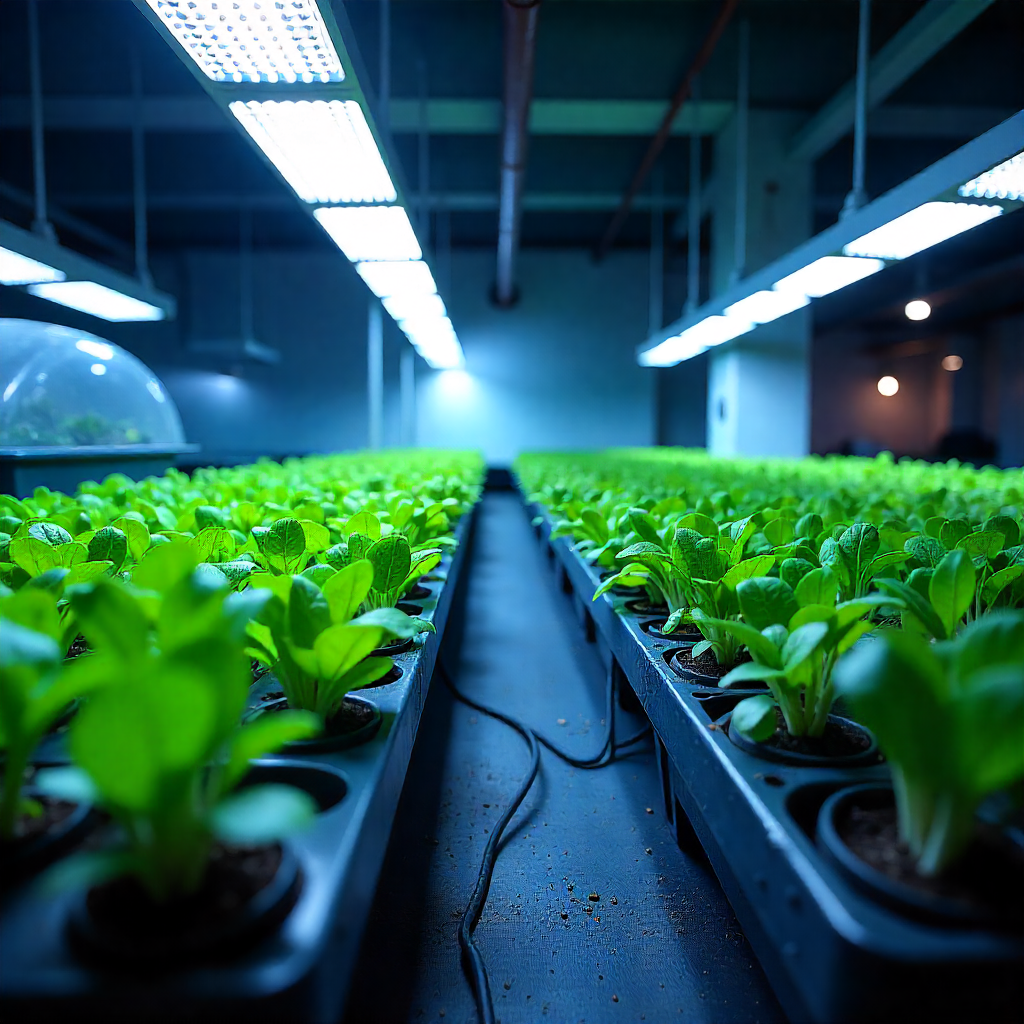
    LED Grow Lights: Specialized full-spectrum LED lights that mimic sunlight allow microgreens to grow indoors, independent of weather or season. This enables year-round production in urban apartments or rooftop farms.

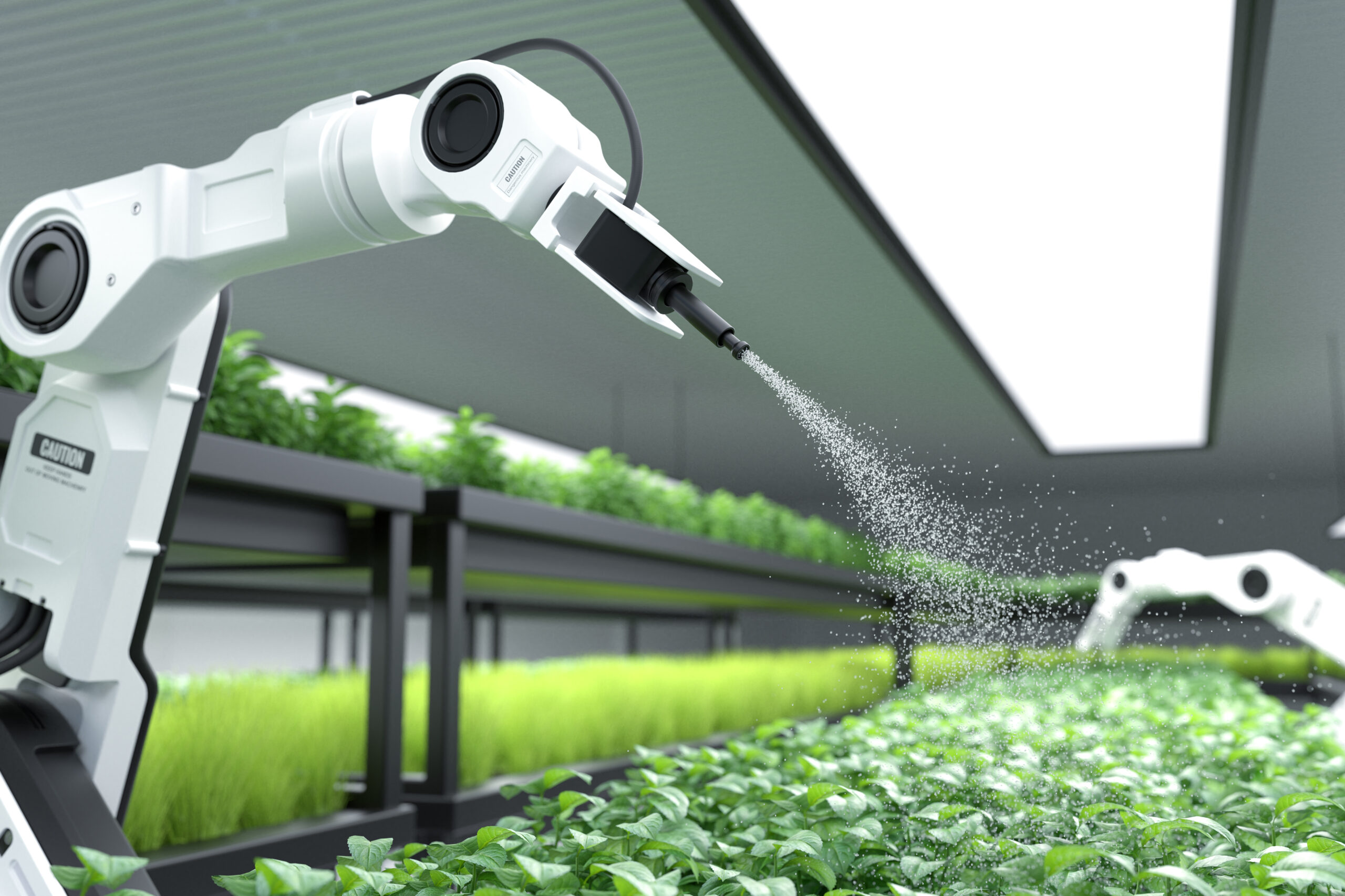
    Environmental Sensors: IoT (Internet of Things) sensors monitor temperature, humidity, light intensity, and soil moisture in real time, sending alerts or auto-adjustments to maintain ideal growing conditions.

    Vertical Farming and Space Optimization

    Space scarcity is a major challenge in cities like Bengaluru. Vertical farming techniques use multi-tiered trays stacked vertically to multiply output per square foot. Controlled Environment Agriculture (CEA) allows year-round farming by regulating temperature and humidity.

    Data-Driven Farming

    Mobile apps and software solutions enable microgreen entrepreneurs to:

    Track growth progress and yield data.

    Predict optimal sowing and harvesting schedules.

    Manage stock and sales efficiently.

    Farmers can analyze which varieties perform better under local conditions and tweak operations accordingly.

    E-Commerce and Digital Marketing

    Technology aids in expanding market reach through online ordering platforms, subscription delivery boxes, and digital payments. Social media helps create strong brand identities and communicate directly with health-conscious consumers.

    Sustainability and Waste Reduction

    Innovations include:

    Biodegradable trays and organic growing mediums.

    Water recycling systems to reduce wastage.

    Smart LED lights minimizing energy consumption versus traditional lighting.

    Success Stories from India

    Several startups in Bengaluru and other metro areas have embraced technology to set up microgreen farms in minimal spaces, showcasing how smart farming can democratize agriculture.

    Conclusion

    Technology is dramatically lowering entry barriers and increasing productivity in microgreen farming. For budding entrepreneurs in India, leveraging smart growing systems, vertical farming, data analytics, and e-commerce can make a microgreen business more profitable and sustainable. The future is bright for tech-enabled urban agripreneurs!

  • Top 5 Microgreens To Grow For The Profit In Urban India

    Top 5 Microgreens To Grow For The Profit In Urban India

    Here are the Top 5 Microgreens to cultivate for maximum profit and market relevance in cities like Bengaluru. Urban farming has transformed the way people think about fresh produce, and microgreens are at the heart of this revolution. Highly nutritious and quick to grow, microgreens present an excellent opportunity for urban entrepreneurs. Yet, not all microgreens are equally profitable or suitable for the Indian market.

    1. Sunflower Microgreens

    Sunflower microgreens are fast-growing and visually attractive, with thick, crunchy stems and mild nutty flavor. They are rich in vitamins A, B complex, C, D, and E, and minerals such as zinc and iron.

    Why Grow:

    Quick germination (2–3 days) and maturity in about 7–10 days makes them ideal for fast turnover. Their robust texture is popular in salads, smoothies, and sandwiches.

    Market Demand:

    Popular among cafes and health food enthusiasts for their crunchy texture and appealing look.

    1. Pea Shoots Microgreens

    Pea shoots resemble young pea plants and have a sweet, fresh taste. They are an excellent source of vitamins A, C, and folic acid.

    Why Grow:

    Moderate growth cycle (~10–14 days), high germination rate, and strong yield.

    Market Demand:

    Much loved by chefs for stir-fries, soups, and garnishes. Their delicate flavor broadens appeal across culinary uses.

    1. Radish Microgreens

    Radish microgreens offer a zesty, spicy kick and high antioxidant content, including vitamin C and E.

    Why Grow:

    One of the fastest microgreens, ready in 7–12 days, making them ideal for quick cycles.

    Market Demand:

    Their distinct flavor is used extensively in Indian cuisine and western fusion, generating considerable demand.

    1. Mustard Microgreens

    Pungent and peppery, mustard microgreens add an exciting flavor profile. They’re rich in vitamins K and C.

    Why Grow:

    Very fast growth cycle and strong presence in Indian culinary traditions.

    Market Demand:

    Particularly favored by Indian kitchens and restaurants that want to add spicy notes to dishes.

    1. Basil Microgreens

    Basil microgreens bring aromatic, sweet, and slightly peppery notes. Rich in essential oils and antioxidants, they have enormous culinary appeal.

    Why Grow:

    Though slower than others (14-21 days), they command premium prices due to their niche demand in gourmet and health food markets.

    Market Demand:

    Increasing demand in Bengaluru and metro cities that have seen a rise in Italian, continental, and fusion cuisine.

    Tips for Maximizing Profitability

    Seed Quality: Use certified, non-GMO seeds for better germination and premium pricing.

    Organic Certification: Consider organic or chemical-free cultivation to attract discerning customers.

    Optimize Growth Conditions: Use grow lights to shorten growth cycles, and maintain proper irrigation and air circulation to maximize yields.

    Packaging: Use clear, hygienic packaging with nutritional facts and branding to appeal to premium segments.

    Marketing in Bengaluru and Similar Urban Settings

    Tap into the city’s vibrant food culture by networking with organic cafes, specialty restaurants, and boutique health stores. Social media channels like Instagram and Facebook are great tools to showcase visually appealing microgreens and customer testimonials.

    Conclusion

    Selecting the right varieties is critical for profitability in the microgreen business. Focusing on quick-growing, high-demand microgreens like sunflower, pea shoots, radish, mustard, and basil can give you an edge in urban Indian markets. With the right cultivation methods and smart marketing, your microgreen business can thrive.

  • Types of Microgreens

    Types of Microgreens

    Microgreens have become a trending ingredient among health enthusiasts, chefs, and home gardeners alike. If you’re curious about the different types of microgreens you can grow or eat, this blog will introduce you to a wide variety of microgreens, their unique flavors, nutritional qualities, and why they are worth incorporating into your diet or garden.

    What Are Microgreens?

    Before diving into types, a quick recap: microgreens are young edible seedlings of vegetables and herbs harvested shortly after germination, when their first true leaves appear. They are known for their vibrant colors, intense flavors, and nutrient density, often containing higher levels of vitamins and antioxidants than their mature counterparts.

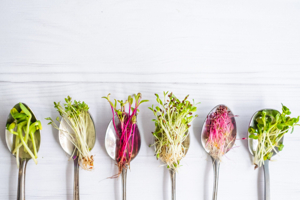
    The popular types include microgreens of radish, carrot, spinach, fenugreek, fennel, dill, cabbage, cauliflower, beetroot, celery, garlic, onion, cucumber, sunflower, amaranth, pea shoots, parsley, moong etc. Almost edible variety of every plant family can be the source of microgreens.

    Typical Microgreen Varieties

    Some of the most common microgreens include:

    Radish: Spicy and crunchy.

    Sunflower: Nutty and crisp.

    Pea shoots: Sweet and fresh.

    Basil: Aromatic and spicy.

    Arugula: Peppery and bold.

    Cilantro: Citrus and fresh.

    Beet: Earthy with a mild sweetness.

    Each variety offers unique flavors and nutrient benefits.

    Popular Types of Microgreens and Their Characteristics

    Microgreens come from a wide range of plant families. Here’s a detailed look at some of the most popular and widely grown microgreens.

    1. Broccoli Microgreens

    Flavor: Mild, slightly peppery, and fresh.

    Nutritional Highlight: Packed with vitamin C and sulforaphane, a compound linked to cancer prevention.

    Growth: Ready to harvest in about 10-12 days.

    Usage: Great for smoothies, salads, and garnishing sandwiches.

    1. Radish Microgreens

    Flavor: Spicy and peppery, providing a sharp and lively kick.

    Growth: Very fast-growing, usually ready in 5-10 days.

    Usage: Adds crunch and heat to salads, tacos, and burgers.

    1. Sunflower Microgreens

    Flavor: Sweet, nutty, and crunchy.

    Nutritional Highlight: Rich in protein, vitamins A, B complex, D, iron, calcium, and zinc.

    Growth: Harvest within 7-14 days.

    Usage: Excellent in salads, sandwiches, or as a healthy snack.

    1. Pea Shoot Microgreens

    Flavor: Sweet and fresh, reminiscent of peas.

    Nutritional Highlight: Contains fiber and anti-inflammatory properties.

    Usage: Perfect for stir-fries, salads, and wraps.

    1. Kale Microgreens

    Flavor: Mildly nutty and earthy.

    Nutritional Highlight: Four times the lutein and beta-carotene of mature kale leaves.

    Growth: Takes about 7-14 days to mature.

    Usage: Popular in green smoothies, salads, and soups.

    1. Beetroot Microgreens

    Flavor: Earthy, sweet, and slightly bitter.

    Nutritional Highlight: Rich in vitamins A, B, C, and E.

    Appearance: Often bright red stems and green leaves, adding color vibrancy.

    Usage: Great for salads and as a decorative garnish.

    1. Arugula Microgreens

    Flavor: Peppery and mustardy, intense flavor.

    Usage: Add a spicy punch to salads, sandwiches, and pizzas.

    1. Basil Microgreens

    Flavor: Aromatic with a hint of sweetness.

    Usage: Use in pasta dishes, salads, and as a fresh garnish.

    1. Mustard Microgreens

    Flavor: Spicy and bold, similar to mature mustard greens.

    Growth: Grows quickly, usually ready in under two weeks.

    Usage: Adds bold flavor to salads and sandwiches.

    1. Cilantro (Coriander) Microgreens

    Flavor: Citrusy and herbaceous.

    Usage: Ideal for garnishing Mexican and Indian dishes.

    Other Interesting Microgreen Varieties

    Besides the popular ones mentioned, there are numerous other varieties to explore:

    Pak Choi (Bok Choy): Crisp texture, mild cabbage flavor.

    Mizuna: Mild peppery taste and rich in antioxidants.

    Wheatgrass: Known for detoxifying properties, often juiced.

    Swiss Chard: Earthy with rich colors.

    Collard Greens: Milder than kale, with a smooth texture.

    Amaranth (Red Garnet): Beautiful deep red leaves with mild flavor.

    Fenugreek: Slightly bitter and nutty, used in Indian cooking.

    Dill and Parsley: Herbaceous microgreens, slower to grow but flavorful.

    Lentils and Chickpeas: Nutty, crunchy microgreens from legumes.

    Kohlrabi: Mild cabbage or turnip flavor with lavender stems.

    How to Choose Microgreens to Grow or Eat?

    Choosing microgreens depends on your taste preferences, nutritional needs, and growing conditions:

    Spicy Flavor: Radish, mustard, arugula.

    Sweet Flavor: Sunflower, pea shoots, basil.

    Nutritional Boost: Broccoli, kale, wheatgrass.

    Color Pop: Beetroot, amaranth, kohlrabi.

    Quick Growth: Radish, mustard, broccoli.

    Nutritional Benefits Across Microgreens

    Most microgreens, regardless of variety, are highly nutritious. They often contain:

    High levels of vitamins like A, C, E, and K.

    Essential minerals such as iron, magnesium, calcium, and potassium.

    Antioxidants and phytochemicals that help fight inflammation and oxidative stress.

    Given their small size, a serving of microgreens can pack a strong nutritional punch compared to mature greens.

    Microgreens represent a diverse group of tiny, flavorful, and nutrient-rich edible greens with endless varieties to choose from. Whether you prefer the peppery kick of radish, the nutty bite of sunflower, or the mild sweetness of pea shoots, microgreens offer options to satisfy your palate and health needs. Growing them at home is easy and rewarding, making them accessible for urban dwellers and food lovers.

    If you want to get started with microgreens, consider starting with fast-growers like radish or sunflower, and gradually explore more varieties that suit your taste and nutritional goals.

    Microgreens are truly a small addition to your diet that can make a big impact!

    Would you like a detailed guide on growing these common microgreens or recipes to use them please contact us.

  • Uses of Microgreens

    Uses of Microgreens

    Uses of Microgreens

    Culinary Uses of Microgreens

    In the culinary world, microgreens are prized for their vivid colors, delicate textures, and intense flavors that range from peppery and spicy to sweet and tangy, depending on the variety.

    How to add microgreens to our diet?

    Here are some popular ways microgreens are used:

    Garnishing:  One of the most common uses of microgreens is as an elegant garnish. Their vivid colors and delicate leaves add a beautiful finishing touch to salads, soups, sandwiches, and main courses. Whether it’s a handful of peppery arugula microgreens atop a steak or a sprinkle of sweet pea shoots on roasted vegetables, they make dishes look appealing and fresh. Adding a burst of color and flavor to soups, salads, sandwiches, and main courses.

    Salads: Microgreens themselves can make a delicious and nutrient-packed base or addition to salads. Mixing various microgreens like radish, beet, and sunflower adds complexity in flavor—from sweet and nutty to spicy and peppery—and vibrant colors that make salads visually stunning. Their tender texture makes them easy to eat raw and digest. Mixed microgreen salads can be a nutrient-dense meal or side dish.

    Smoothies & Juices: For health enthusiasts, adding microgreens to smoothies or fresh juices is an excellent way to increase the nutrient content without significantly changing the flavor or texture. Varieties like kale, wheatgrass, and spinach microgreens are particularly popular for this use because of their potent vitamins and antioxidants. For an extra nutrient boost and fresh flavor.

    Wraps & Tacos: Adding microgreens to sandwiches and wraps adds a fresh crunch and a burst of flavor that goes beyond what lettuce or spinach alone can provide. They elevate a simple sandwich to something gourmet, making each bite refreshing and nutritious. Enhance texture and nutrition.

    Cocktails: Some bartenders use microgreens, especially herbs like basil and cilantro microgreens, as sophisticated garnishes for cocktails, mocktails, or infused waters. This not only enhances the presentation but infuses subtle flavors. Some bartenders use herbs like basil and cilantro microgreens as garnishes.

    Egg Dishes

    Omelets, scrambled eggs, and frittatas all improve with the addition of microgreens. Their fresh, spicy, or mild flavors complement eggs beautifully, while their delicate texture adds a pleasant contrast.

    Soups and Stir-Fries

    Microgreens can be sprinkled on top of hot soups right before serving, releasing a fresh aroma and mild flavor that compliments the warmth of the dish. Some sturdier varieties like pea shoots and kale microgreens can also be quickly wilted into stir-fries or lightly cooked dishes for added texture and nutrition.

    Microgreens have become a popular term in kitchens, markets, and health discussions, but what exactly are they? Simply put, microgreens are young, edible seedlings of vegetables and herbs that are harvested shortly after germination, just as their first set of true leaves appear. They are tiny but pack impressive flavors, textures, and nutrients, making them appreciated both by chefs and health enthusiasts worldwide.

    Nutritional Uses and Health Benefits

    Beyond their culinary appeal, microgreens are a powerhouse of nutrition and can be used strategically to boost health.

    1. Nutrient Boost

    Microgreens often contain several times the concentration of vitamins, minerals, and antioxidants found in mature leafy greens. Adding even a small serving to your daily diet can help increase intake of essential nutrients like vitamins C, E, K, beta-carotene, and folate. This supports everything from immune function to skin health and eyesight.

    1. Digestive Health

    Many microgreens are rich in dietary fiber, which promotes healthy digestion and can help maintain a balanced gut microbiome.

    1. Anti-Inflammatory Properties

    Some microgreens such as broccoli and red cabbage are rich in polyphenols and other bioactive compounds that have anti-inflammatory effects, reducing oxidative stress in the body and lowering chronic disease risks.

    1. Weight Management

    Low in calories but high in nutrients, microgreens allow you to add volume and nutrition to your meals without adding many calories, helping with weight control and satiety.

    Growing Microgreens for Personal Use

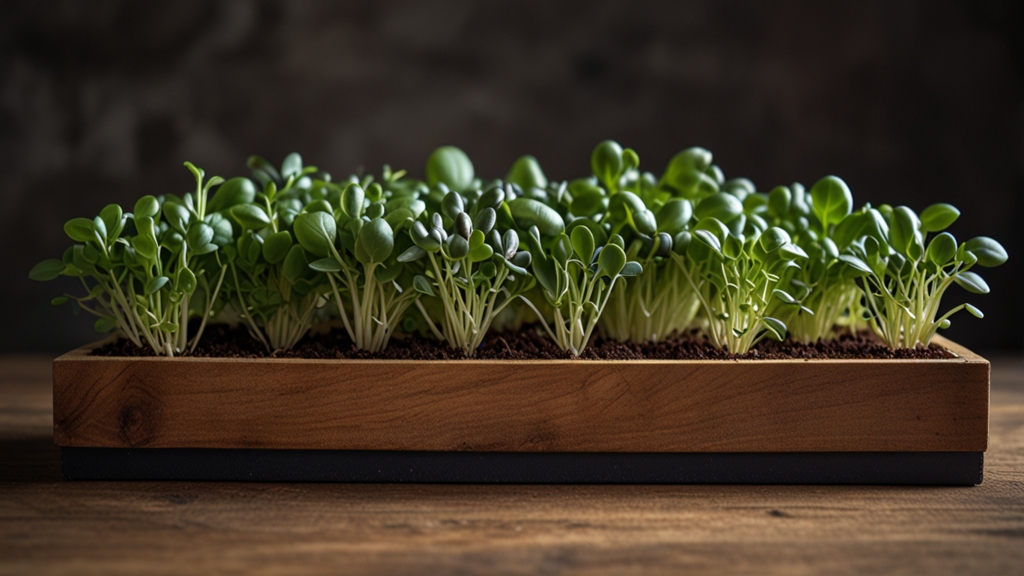
    Microgreens are easy to grow at home year-round, making them ideal for people who want fresh greens at their fingertips. A small tray on a windowsill or kitchen counter is all you need. Growing your own microgreens means you always have access to fresh, organic, pesticide-free greens that you can harvest in as little as 1-3 weeks.

    Having your own microgreens also encourages healthier eating and reduces dependency on store-bought vegetables, which may have lost some nutritional value due to transport and storage time.

    Commercial and Professional Uses

    Microgreens have also found a niche in the restaurant and health food industries.

    Restaurants and Catering: Chefs use microgreens to add color, texture, and intense flavors to gourmet dishes. Their versatility fits well with various cuisines.

    Health Food Stores and Farmers Markets: Microgreens are increasingly sold fresh and packaged, often promoted for their health benefits.

    Juice Bars and Wellness Centers: Microgreens are added to health drinks and smoothies to enhance nutritional value.

    Why do we need to add microgreens to our diet?

    The growing micronutrients deficiency and lack of a balanced diet impact our physical and mental health. The pandemic reality is another threat that humanity has to cope with. So, microgreens in a small amount can overcome the micronutrients deficiency and add life to our foods.

    Tips for Using Microgreens

    Always wash microgreens before use to remove any residual dirt or contaminants.

    Store microgreens in a cool, moist place or refrigerator in a breathable container to maintain freshness.

    Add microgreens at the end of cooking or use fresh to retain their nutritional benefits and crisp texture.

    Experiment with different kinds of microgreens to discover which flavors best complement your favorite dishes.

    How much quantity can be taken per day?

    Just 50 grams of microgreens in an everyday diet is enough to improve immunity and lifestyle.

    Storage

    The best way to consume is within 3-4 hours of clippingYou can also wrap them in between damp paper towels and store it in the fridge for 10days. If you need any of our produces contact us.

  • Benefits of Microgreens

    Benefits of Microgreens

    One of the key reasons microgreens have become a sensation is their exceptional nutrient density. Research shows that microgreens often contain higher concentrations of vitamins, minerals, and antioxidants than their fully grown counterparts.

    Nutritional Benefits:

    1. Vitamins: Many microgreens are rich in vitamins C, E, K, and beta-carotene.
    2. Minerals: They contain important minerals like potassium, iron, zinc, magnesium, and calcium.
    3. Antioxidants: They offer polyphenols and other antioxidants which help combat oxidative stress.
    4. Phytonutrients: These contribute to improved immunity and reduced chronic disease risks.

    For instance, red cabbage microgreens may have up to 40 times more vitamin E and 6 times more vitamin C than mature cabbage. Kale microgreens contain 4 times more lutein and beta-carotene than mature kale leaves.

    Microgreens vs. Mature Greens and Sprouts

    It’s important to distinguish microgreens from their cousins:

    Mature Greens: Fully grown leaves like spinach, kale, or lettuce, usually harvested weeks or months after planting.

    Sprouts: Germinated seeds that are eaten whole, including roots, grown in water, harvested within 2-7 days.

    While both sprouts and microgreens are nutrient-dense, microgreens have more developed photosynthetic tissue and tend to develop deeper flavors and texture.

    Why Microgreens Matter: Environmental and Health Perspectives

    Space Efficiency: Because they require so little space and time to grow, microgreens fit perfectly in urban settings or areas with limited agricultural land.

    Water Efficiency: They use less water than traditional crops, aligning with sustainable agriculture goals.

    Year-Round Growth: Can be grown indoors with artificial light regardless of climate.

    Reduced Food Miles: Growing microgreens locally means fresher produce with lower carbon footprint.

    Health Benefits: Due to their high nutrient concentration, they support better health, immunity, and disease prevention.

    Microgreens have become increasingly popular in the past handful of years, and a great deal of ongoing research seeks to understand all the health benefits these tiny plants offer.

    Early research has indicated that microgreens contain up to 40% more phytochemicals (beneficial nutrients and components) than their full-grown counterparts.

    Though these little greens are small in stature, they contain extremely high levels of powerful vitaminsminerals, and health-supporting components.

    Can lower blood pressure. Foods that are high in fiber and vitamin K can be helpful in maintaining a healthy blood pressure, and microgreens are high in both of these important elements as well as other vitamins and minerals.

    Might help fight cancer. Research is ongoing into this subject, but some early evidence suggests that sulforaphane — a compound found at especially high levels in broccoli sprouts — may help fight cancer.

    Some microgreens can help lower cholesterol. A study found that red cabbage microgreens lower levels of LDL cholesterol, liver cholesterol, and inflammatory cytokines — all factors that can increase your risk for heart disease.

    Can support gut health. Foods that are high in dietary fiber, like microgreens, can ease constipation or other gastro-intestinal distress when eaten as part of a healthy, balanced diet. Research also indicates that dietary fiber serves as a ” prebiotic,” or material that provides an ideal environment for the “good” bacteria in the human microbiome to flourish.

    Other Benefits

    From a culinary perspective, microgreens add flavor, texture, and color to a variety of dishes. Chefs and home cooks enjoy using microgreens as garnish for salads, sandwiches, soups, and Indian dishes like dosas and curries. Their peppery, tangy, or herbal notes can transform ordinary meals, making them more appealing and nutritious for families and food enthusiasts alike.

    Lastly, growing and consuming microgreens fosters a sense of well-being. The act of nurturing plants—no matter how small—can relieve stress and promote mindfulness. Witnessing rapid growth and harvesting fresh greens instills a sense of achievement, especially for children learning about food and gardening. With their health benefits, sustainability, and ease of cultivation, microgreens are truly a smart choice for better living in today’s fast-paced urban environments. To get more information let us know

  • How are microgreens grown?

    How are microgreens grown?

    Process of Growing Microgreens:

    In recent years, microgreens have gained significant popularity among food enthusiasts, health experts, and chefs alike. Small in size but big on nutrition and flavor, microgreens are redefining the way we think about greens and healthy eating. In this blog, we will explore what microgreens are, how they are grown, their nutritional benefits, culinary uses, and why they matter in today’s food landscape.

    Microgreens are young vegetable greens that are harvested just after the first true leaves have developed, typically within 7 to 21 days after germination. They are seedlings of edible vegetables and herbs, including varieties like basil, radish, cilantro, arugula, beet, kale, sunflower, and pea shoots.

    Microgreens can be grown both indoors and outdoors and require minimal space, making them ideal for urban gardening — something quite relevant in cities like Bengaluru, where real estate space is limited.

    1. Seeds: High-quality, non-GMO seeds intended for microgreen cultivation.
    2. Growing Medium: Soil, coco coir, peat moss, or hydroponic mats.
    3. Light: Natural sunlight (near windows) or artificial grow lights.
    4. Water: Consistent moisture but well-drained conditions.
    5. Harvest: Usually ready to harvest within 1-3 weeks. They are cut at the base.

    Microgreens are grown similarly to regular plants but harvested much earlier:

    Seeds are sown thickly on a shallow tray filled with a growing medium such as soil or cocopeat.

    The trays are kept moist and under sufficient light (natural sunlight or grow lights).

    Within about 1 to 3 weeks, seedlings develop their first leaves and are ready for harvest.

    The microgreens are cut just above the soil line using scissors.

    Their short growth cycle allows for quick harvesting and the possibility to grow multiple batches throughout the year.

    Because microgreens require less time to grow compared to mature vegetables, they can be harvested multiple times a year, making them sustainable and economical for home growers and commercial producers alike.

    Growing Microgreens at Home:

    Microgreens are surprisingly easy to grow at home, even if you don’t have a garden:

    Materials Needed:

    Seeds (organic preferred)

    Shallow trays or containers with drainage

    Growing medium (soil or coco coir)

    Water mister or spray bottle

    Light source (window or grow light)

    Steps:

    1. Fill tray with growing medium.
    2. Sprinkle seeds evenly and cover lightly with soil. Sprinkle seeds evenly and cover lightly with soil.
    3. Mist gently to moisten. Mist gently to moisten.
    4. Cover with a dome or plastic wrap until germination.
    5. Remove cover and provide 12-16 hours of light daily.
    6. Keep soil moist but not waterlogged.
    7. Harvest when the first true leaves appear, using scissors to cut just above soil.

    Microgreens are more than just tiny greens — they are nutritional powerhouses packed with flavor, color, and health benefits. Their ease of cultivation, sustainability, and culinary versatility make them perfect for modern lifestyles, especially in urban centers like Bengaluru. Whether you’re a home gardener, a health-conscious eater, or a professional chef, integrating microgreens into your diet and kitchen is a smart and delicious choice.

    If you’re interested, I can also provide tips on growing microgreens specifically suited to Bengaluru’s climate or recipes that feature them! Contact us

  • What are Microgreens?

    What are Microgreens?

    Microgreens are young, edible seedlings of vegetables and herbs harvested at an early stage—usually just a couple of weeks after germination. These tiny greens are packed with nutrients, making them a sought-after addition to daily diets worldwide. Their versatility and vibrant flavors elevate both health and culinary experiences, especially in urban areas like Bengaluru where space and time for gardening can be limited.

    These are champions of convenience and sustainability. Growing them requires minimal space, sunlight, and water, making them ideal for urban homes, balconies, or even kitchen counters. In Bengaluru’s high-rise apartments and densely populated neighborhoods, microgreen cultivation is an excellent way to harness fresh produce without the need for a large garden or expensive hydroponic setups. This practice reduces food miles and supports eco-friendly, local food production.

    From a culinary perspective, microgreens add flavor, texture, and color to a variety of dishes. Chefs and home cooks enjoy using microgreens as garnish for salads, sandwiches, soups, and Indian dishes like dosas and curries. Their peppery, tangy, or herbal notes can transform ordinary meals, making them more appealing and nutritious for families and food enthusiasts alike

    A new nutrition mantra spreading like fire among people all over the world. And why not! they deserve this attention as they are the superfoods packed with multiple health benefits.  Today Nutrition is the most compromised part of our consumption pattern and lifestyle which ultimately becomes the core reason for diseases and health issues. So, to boost immunity that is at par with today’s requirement, microgreens can be trusted. They are tiny miracles that are, healthier, tastier and affordable. Let us know more about microgreens!

    Microgreens are the immature versions of familiar plants like spinach, kale, basil, radish, sunflower, and coriander. Unlike sprouts, which are germinated seeds consumed whole (seed, root, and shoot), microgreens are grown in soil or a solid medium and harvested when the plant is around 1 to 3 inches tall, after the cotyledons (the initial seed leaves) have developed and sometimes when the first true leaves emerge.

    This growth stage typically falls between 7 to 21 days after planting, depending on the seed variety and growing conditions.

    How Are Microgreens Different from Other Greens?

    Sprouts: Consumed whole shortly after sprouting. They grow in water and don’t develop true leaves.

    Baby greens: Larger than microgreens but harvested earlier than mature leafy vegetables.

    Mature greens: Fully grown plants harvested at maturity.

    Microgreens sit uniquely in this spectrum — more developed than sprouts but harvested much earlier than mature greens, taking advantage of their tender texture and concentrated flavors.

    What Makes Microgreens Special?

    Size and Harvesting Stage: Their tiny size (usually 1-3 inches) and harvest soon after germination give them a fresh, tender, and delicate quality.

    Nutrient Density: Scientific studies have shown that microgreens can contain higher levels of vitamins, minerals, and antioxidants compared to fully mature leaves of the same plants. This makes them a potent source of nutrition in a small bite.

    Flavor and Aroma: Depending on the variety, microgreens can be sweet, peppery, tangy, or spicy, accentuating dishes with vibrant taste profiles.

    Visual Appeal: Their vivid colors and delicate leaves add an aesthetic appeal that chefs love.

    Why Are Microgreens Gaining Popularity?

    Health Consciousness: People increasingly seek nutrient-packed food that boosts immunity, improves digestion, and offers antioxidants.

    Urban Farming: Microgreens require little space and resources, making them ideal for small apartments, rooftops, and urban gardens, a big plus in cities like Bengaluru.

    Culinary Use: Their aesthetic appeal and intense flavor make them a favorite garnish or salad ingredient.

    Sustainability: Quick growth and minimal resource use reduce the environmental impact compared to traditional farming.

    If you want to add microgreens into your lifestyle, you can start by buying them at local markets around Bengaluru or even growing them in small trays right in your home kitchen. Simple, sustainable, and super nutritious—microgreens are truly a green revolution on a tiny scale!

    Would you like me to help please contact us.